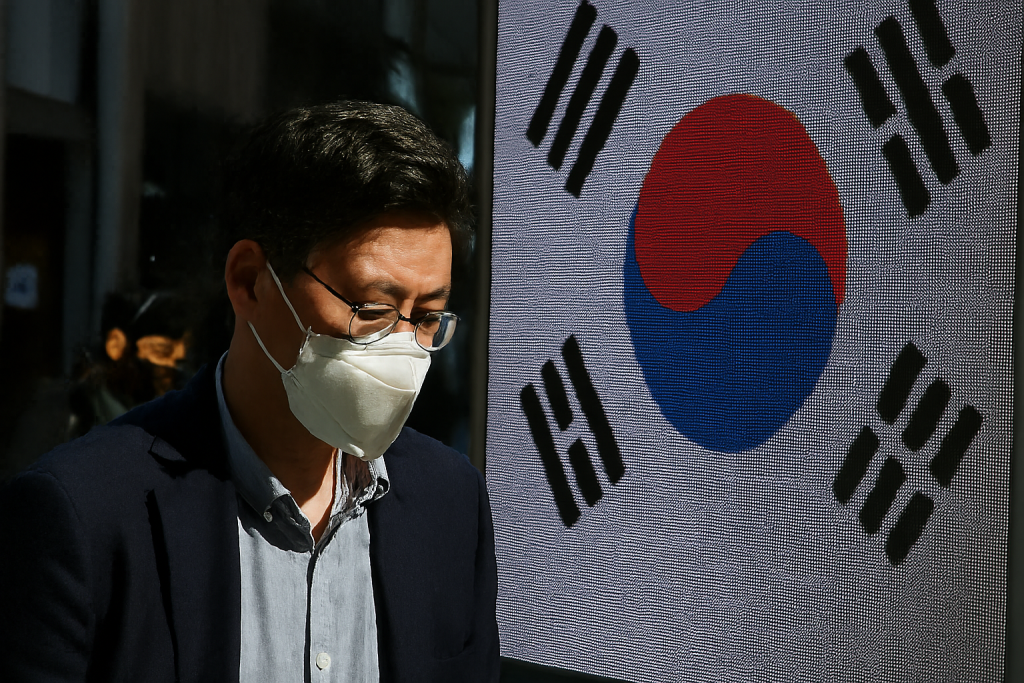
Everyone always waits around to know what comes next after an election. As a person who is in the K-entertainment industry, you’re definitely not alone in your feelings, as the impact of the new government is typically seen in fundings, regulations, opportunities and challenges.
For the entertainment spotlight not to go dim, the K-pop idols and K-drama stars are favored, But in the intricate world of politics, how the industry reacts to the new political landscape really matters.
So, in this roundup, we’ll explore the latest trends and developments in K-entertainment, and examine what the future might hold, after the adjustment.
How South Korea’s Entertainment Industry Has Adjusted After the Election
Below is a comprehensive look at how the post-election reality is reshaping Korea’s cultural engine.
Government Policy and Funding
The new government has hinted at giving the “K-culture” an expanded role as a national strategic industry, increasing budget allocations and appointing larger content funds to promote exports and tourism, which are tied to culture. With producers having an expanded opportunity especially for making high-budget films and dramas, this completely targets global streaming platforms.
However, it clearly comes with administrative expectations about national messaging and cultural diplomacy. So, producers are now tailoring their proposals to fit the new priorities, so that they can tap into fresh funding opportunities.
New Regulations and Platform Scrutiny
Even though more funding is coming in, those controlling it are definitely cracking down on the entertainment industry with fresh regulations. New rules and competition laws are making streaming services and music labels rethink how they make money and handle licensing. Aside from this, broadcast and online content likewise face continuous regulatory requirements, especially in the aspect of Korea Communication Commission oversight, and self-rating, as post-election administrations often reenact their enforcement priorities. The post-election changes should leave you expecting more formal directories and audits for streaming and platform operators in the coming year.
Live Events, Touring, and the Security Calculus
Uncertainty after elections can lead to sudden changes, like rerouting, event cancellations, limited fan interactions, and increased security. In the past, high-profile political problems even led to a temporary pause in fan meetings and concerts.
However, event promoters are getting proactive, as they are now bringing in potential election-season disruptions into their plans. They’re reviewing insurance, contracts, and security costs, to mitigate risks.
Currently, the tourism rate in the country has increased and more tourists keep choosing South Korea as a travel destination. This is mainly due to the popularity of K-pop and K-dramas which constantly showcases the beauty of the country, especially its nightlife. The nightlife in Korea, especially Seoul, is remarkable and very appealing. Tourists have many activities to keep them entertained, including Gangnam party-style karaoke with DJ in shirt rooms, visiting pubs, clubbing, and many other activities.
Governments are using arts and culture as a soft power tool to subsidize tours and international showcases to promote the country’s image abroad and so far, it has proven to be effective.
Adapting to Creative Content Themes
A shift in the new narrative is making producers, writers, and showrunners respond according to the post-election mood. The creatives are rethinking their storylines and making sure they align with the current governance. Some of them are doing this to steer clear of politics. Hence, they are avoiding controversy, while others are tackling social issues with more subtlety.
They are using historical or fantastical environments to make their points without sparking backlash. International platforms want Korean content that can resonate globally, but these contents need to be mindful of local sensitivities. So, it’s a delicate balance between creating universal stories and avoiding domestic controversy.
Industry Legal Entanglements and Reputational Spillovers
When politics get messy, and it affects the entertainment industry, it usually comes as a shockwave, especially with all the connections between big businesses, influential groups, and fundraising networks. When this problem is investigated, media companies and talent agencies can get caught in the crossfire, facing advertiser backlash, reputation damage, and boycotts.
International Partnerships and Soft-Power Strategy
Korean culture is getting a boost internationally, thanks to government support. Currently, there are more festival promotions, co-productions, and even tourism tie-ins to showcase Korean content to the world. But this change comes with an increased geopolitical sensitivity as choices about what content to promote or which markets to prioritize are weighed against tactful objectives.
Technology, New Content, and AI Models
After elections tech adoption in media, especially for scaling production and controlling the narrative speeds up. Case in point is broadcasters, as they leveraged AI graphics during vote counting to deliver election coverage. The industry has a big question mark over AI. But how it affects rights and royalties, especially with deepfakes and synthetic performances matters. So, they’re working on legal defenses and new production pipelines that use AI responsibly while protecting creators.
Conclusion
South Korea’s entertainment industry continues to change in the wake of the election. This balances public expectations, new policies, and international momentum. The regulations are a bit more rigorous, but they come with a better political sensitivity. With the industry’s creative prowess, growing influence, and adaptability, it’s clear that it will continue to dominate the cultural landscape.